
Not all trees that appear lifeless are dead, but some are. So, if you’re wondering whether your tree is dying or going through its dormant phase, use these signs to know. This will help you identify what’s going on. You can also call in arborist services for a tree inspection.
What Is A Dormant Tree?
Dormancy in trees is similar to hibernation in animals. Unlike animals, trees and plants can’t move to a safer place in winter to survive the cold. So, trees slow down their growth and metabolism and also shed leaves to conserve energy and get through the winter.
There can be other circumstances as well, such as drought, severe heat, poor soil conditions, and diseases or infestations, where trees can go dormant. It’s also possible that a tree goes dormant due to diseases, stress, or severe cold or heat, but dies during dormancy. So, you should look for signs to know if your tree is dormant or dead.
Ways To Check If A Tree Is Dormant Or Dead
Here are some signs and tests to check if your tree is dormant or dead.
Inspect Buds On Stems
Even when trees are dormant, they do grow buds. However, they don’t bloom until their time. So, you should look for buds on stems. If the buds on the branches are firm and healthy-looking, the tree is not dead. It’s just dormant. But if the buds are not throughout the branches and are lifeless and brittle, depending on the tree species, then the tree may be dead.
When checking the buds, don’t mind the color because various species have various bud colors, so trying to spot a dormant or dead tree through the color of its buds may not work.
Are The Branches And Twigs Flexible?
Tree branches and twigs are flexible and they also look healthy from a distance on regular days when the tree is not dormant. But even when the branches don’t look too alive and healthy, they may still be. So, you should perform a flexibility test.
In this test, try to bend a branch of the tree. Don’t apply too much force, do it mildly. Healthy branches of dormant trees are flexible because there is moisture in them, so they won’t snap too easily. However, if the branch snaps, it will be a dead branch, not a dead tree.
Dead branches are common in trees as they grow new ones. So, if you come across brittle and dead branches, don’t be alarmed yet. But if all of the branches and twigs you test snap easily, then the tree may be stressed, diseased, or dead. When removing a dead tree, follow safety precautions to avoid accidents.
This test is best-suited for seasons other than winter because in winter, the branches may be stiff.
Bark Scratch Test
The bark of any healthy tree is always alive and supplying nutrients to the branches. However, in winter or in dormancy, it may appear lifeless. To determine if the tree is dormant or dead, you should perform a scratch test on the bark.
Use your fingernails or a small knife to slightly peel off the upper layer of the bark without going too deep or wounding the tree. Dormant and healthy bark’s inner layer (cambium layer) is moist and green. So, after scratching, you will see that. However, if you see dry and brown tissue underneath the upper layer, the tree could be dead.
But remember to never rely on the results of a single location if the result is a dry and brown inner layer. Try a few other spots as well. If their appearance is not satisfactory, you should consult emergency tree services Bethesda for an inspection and removal.
Sap Test
This is a bark scratch test for trees that produce sap. When scratching the bark or the trunk, you see sap, the tree is alive and only dormant. However, if there is no sap, the tree is either one of the species that don’t produce sap or is distressed and dying.
Common trees that produce sap: maple, birch, pine, sweetgum, walnut, elm, cedar, sycamore, etc.
Trees with no sap: Oak, ash, pineapple, magnolia, cypress, hickory, cherry, redwood, etc.
Inspect The Trunk
The trunk is a tree’s most vital part because it essentially is the main body of the tree. Others are branches up there and roots down there. So, its health or decay can clearly show if the tree is healthy but dormant or dying.
A tree trunk can look rough and have regular cracks, but if you see deep cracks and splits, it can be alarming. Moreover, trees don’t have cavities in the trunk unless decaying and diseased, but some do. So, check the species of your tree if it’s normal for it to have cavities or not. Similar to cavities, a peeling bark is another thing that can be normal for a few tree species, and a sign of distress for most others.
Apart from that, look for pests, fungi, or any other infestation on the trunk. A small amount of fungi can be normal, but if the growth is significant, the tree may be diseased. In case of insects, and if the tree is dead or dying, there may be many small holes in the trunk and the presence of insects there.
What To Do If A Tree Is Dormant?
If the tree is dormant, it’s alive and will start blooming in some time. So, you should care for it. Below are some ways to take care of a dormant tree.
Mulching: Mulching is an easy and good way of protecting a dormant tree. Spread a layer of mulch around the trunk. It should be enough to be a regular layer. Avoid covering the entire trunk length with mulch because mulch is for regulating the soil temperature and retaining moisture. So, covering the entire trunk length with mulch is never needed.
Watering: Water the tree normally, but if it’s winter and the ground freezes, you should stop watering your dormant tree.
Pruning: The dormant phase of a tree is a good time to prune its dead branches so it can grow easily. But don’t over-prune. Many DIYers make the mistake of cutting off branches that shouldn’t be cut. It can lead to tree damage.
Keeping the soil as it is: Avoid doing anything with the soil under and near the tree because tree roots stay active all year long, even when the tree is dormant. So, avoid digging in the tree’s zone.
What To Do If A Tree Is Dead?
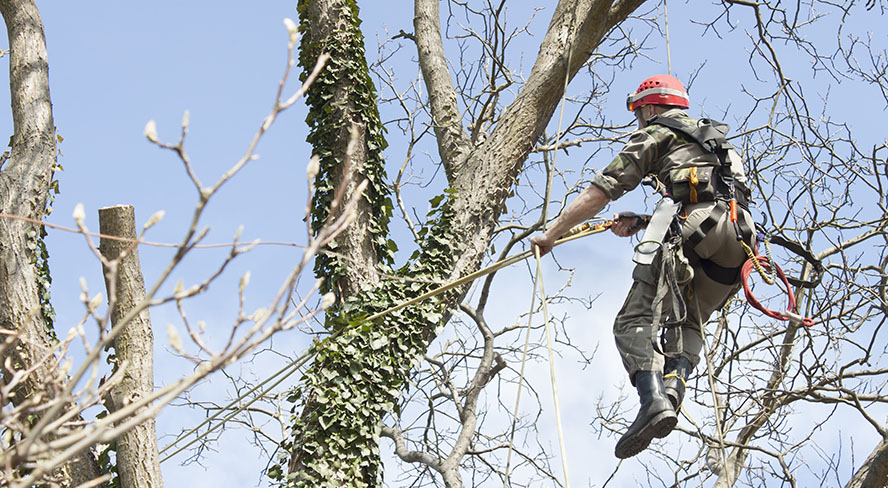
If you perform the above tests and the tree appears dead, you should contact an arborist quickly so they can inspect the tree. If the tree is dead, consider getting it removed because it can be a hazard to the people, property, and plants and trees around it.
Conclusion
There are some easy tests you can perform to identify and differentiate between a dormant and a dead tree. If the tree is dormant, keep caring for it. But if it seems to be dead, dying, or distressed, hire tree cutting services Kensington that can safely remove the tree.